Understanding the AMOC: A Step-by-Step Guide to the Atlantic Ocean Currents and Their Potential Collapse
Introduction
The Atlantic Meridional Overturning Circulation (AMOC) is a critical system of ocean currents that regulates global climate by transporting warm water northwards and cold water southwards. This process keeps Europe mild and influences rainfall worldwide. However, human-caused climate change is disrupting the delicate balance of temperature and salinity in the North Atlantic, potentially leading to a slowdown or even a collapse of these currents. This guide will walk you through the essentials of AMOC, why it matters, the threats it faces, and the scientific debates about its future. By the end, you'll have a clear understanding of this vital ocean system and its potential tipping point.
What You Need
- Basic knowledge of climate change concepts
- Access to scientific reports (e.g., IPCC assessments, research papers)
- A curious mind ready to explore oceanography and climate dynamics
- Optional: Interactive tools like Carbon Brief's AMOC explainer
Step-by-Step Guide
Step 1: Grasp What the AMOC Is
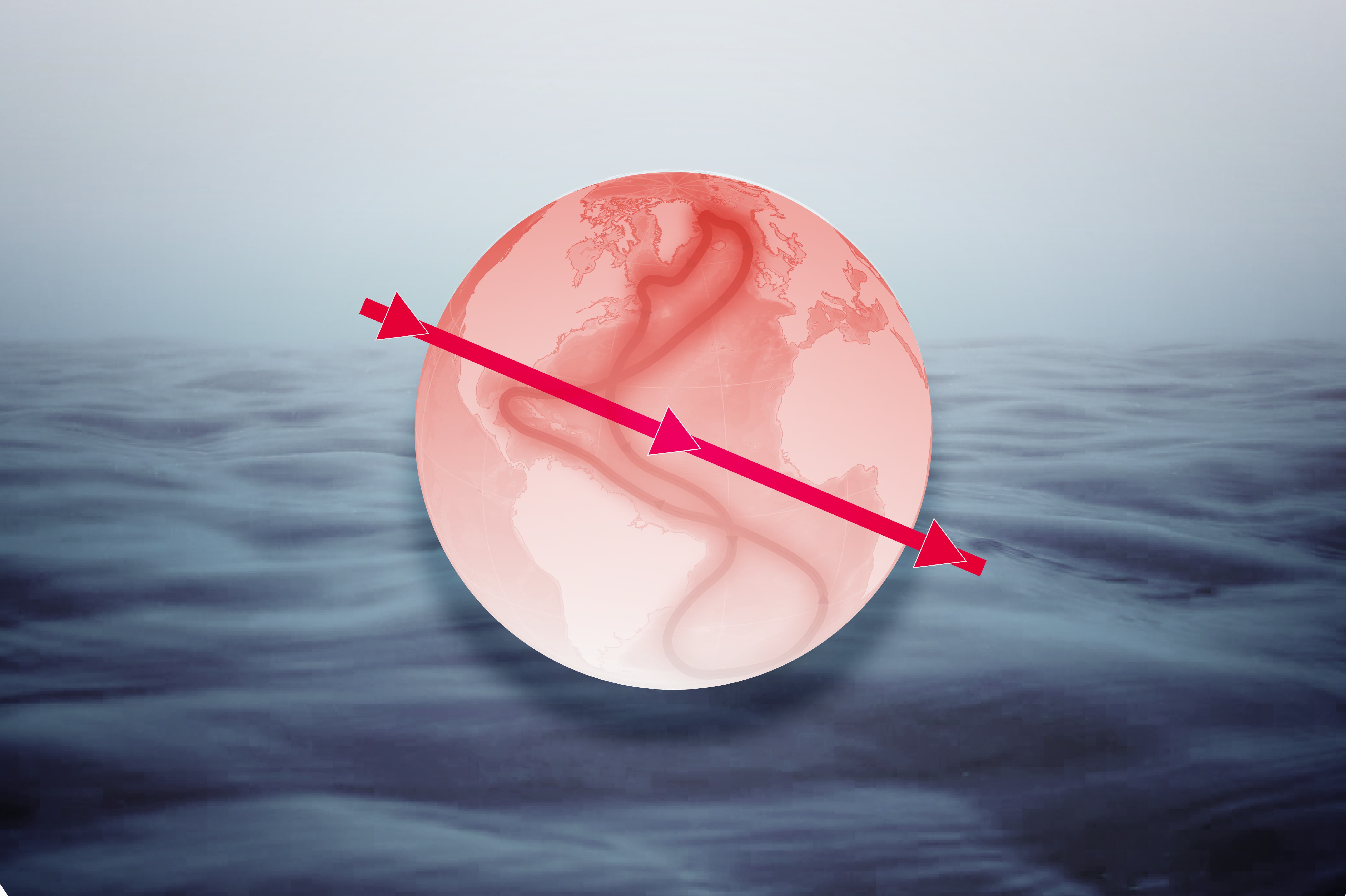
The AMOC is a vast system of ocean currents that moves water, nutrients, and carbon around the globe. Imagine a conveyor belt: warm, salty water from the tropics flows northward near the surface, releases heat to the atmosphere (warming Europe), then cools, sinks, and returns southward at depth. This circulation is driven by differences in temperature and salinity—colder, saltier water is denser and sinks.
To visualize: the Gulf Stream is part of this system, bringing warm water from the Caribbean to the North Atlantic. Without AMOC, Europe would be much colder, and global weather patterns would shift dramatically.
Step 2: Recognize Its Importance
AMOC does more than warm Europe. It:
- Regulates global rainfall: By transporting heat northwards, it influences the location of rain belts. For example, a weaker AMOC could dry out the Sahel region in Africa.
- Affects sea levels: Changes in currents alter ocean height along coasts.
- Supports marine life: It moves nutrients, sustaining fisheries.
- Stores carbon: The sinking of cold water pulls carbon dioxide into the deep ocean.
A slowdown or collapse would disrupt these services, with consequences for billions of people.
Step 3: Understand the Threats from Climate Change
Human-caused warming is upsetting the AMOC's balance in three ways:
- Warming seas: As ocean temperatures rise, surface water becomes less dense, reducing sinking.
- Melting ice: Freshwater from Greenland's ice sheet and Arctic sea ice dilutes saltwater, making it lighter and less likely to sink.
- Increased rainfall: More precipitation over the North Atlantic adds freshwater, further reducing salinity.
These factors weaken the AMOC, as observed by ocean monitoring arrays. The IPCC projects a decline over the 21st century.
Step 4: Learn About Tipping Points
A tipping point occurs when a system shifts irreversibly to a new state. For AMOC, this means transitioning from strong circulation to a weak state that persists for centuries. Research suggests that with enough warming, the AMOC could pass a critical threshold—a "point of no return." However, exactly where that threshold lies is uncertain.
Scientists use models and paleoclimate data (e.g., from ice ages) to estimate it. Some studies indicate a collapse could happen within decades if global warming exceeds 3°C, while others say it's unlikely before 2100.
Step 5: Evaluate Scientific Debates
The future of AMOC is hotly debated. Let's break down the key positions:
- IPCC view: The Intergovernmental Panel on Climate Change (IPCC) deems a complete collapse before 2100 as unlikely, though a slowdown is expected.
- Skeptical scientists: Some argue that models underestimate the risk. They point to recent observations of AMOC weakening and warn of an imminent tipping point, possibly within the next few decades.
- Consensus: Both sides agree that continued warming increases risk. The disagreement is about the timing and probability.
To stay updated, follow research from institutions like the University of Potsdam or NOAA. The key is to monitor real-time data from the RAPID array, a network of moorings across the Atlantic.
Step 6: Consider the Consequences of a Collapse
A major AMOC slowdown or collapse would have severe impacts:
- European cold snap: Despite global warming, Europe could experience a 2-5°C drop in average temperatures, affecting agriculture and energy demand.
- Global food supply: Changes in rainfall would disrupt farming in vulnerable regions like South Asia and West Africa.
- Sea level rise: The North Atlantic coast, including New York and London, could see up to 30 cm of additional sea level rise.
- Triggering other tipping points: A weakened AMOC could destabilize the Amazon rainforest, West Antarctic ice sheet, and other systems, leading to catastrophic cascading effects.
These outcomes highlight why scientists are urgently studying AMOC and advocating for rapid emissions reductions.
Tips for Further Learning
- Stay critical: Not all news about AMOC is accurate. Always check sources like the IPCC, NOAA, or reputable scientific journals (e.g., Nature, Science).
- Explore interactive tools: Visit Carbon Brief's AMOC explainer for detailed graphics and animations.
- Understand uncertainty: Scientific consensus evolves. Follow updates from IPCC reports and new research on tipping points.
- Engage in climate action: Since human-caused warming drives AMOC decline, reducing emissions can lower the risk. Support policies that cut greenhouse gases.
- Discuss with others: Share this guide with friends to spread awareness about this critical ocean system.
Remember: The AMOC is a complex system, but its importance cannot be overstated. By understanding it, you're better equipped to appreciate the stakes in climate change debates.
Related Discussions