8 Hidden Hazards of Fixed-Height Cards in Web Design
Fixed-height cards are a popular design pattern. They promise clean, aligned grids that look stable on any screen. Designers love them because they create a sense of order, and developers implement them with confidence. But beneath that tidy exterior, fixed-height layouts hide a host of vulnerabilities. Content changes, translations, and user preferences can turn a perfect grid into a mess of clipped text or overlapping elements. In this article, we’ll uncover eight common hazards that make fixed-height cards more fragile than they appear—and show you how to avoid them.
1. The Illusion of Perfect Alignment
When you first place fixed-height cards into a grid, everything looks flawless. Titles fit in two lines, excerpts stay within three, and the entire layout feels balanced. This visual harmony is seductive. But it relies on an unspoken assumption: that the content will never change. The moment an editor updates a sentence, or a longer word appears, the illusion shatters. The carefully measured container can no longer hold its contents, and the grid begins to break. As we’ll see in later points, this fragility often goes unnoticed until a real-world scenario triggers it.
2. The Fragile Assumption of Static Content
Many fixed-height card designs assume that titles and excerpts will always remain the same length. This assumption is especially risky in content management systems where authors frequently update posts, add new articles, or adjust metadata. Even a small change—like replacing a short word with a longer synonym—can push text beyond the hidden boundaries of the card. The result? Clipped content that users never see, or overflow that damages the layout. Designers must plan for dynamic content from the start, not treat it as an afterthought.
3. Translation Trouble: When Languages Grow Longer
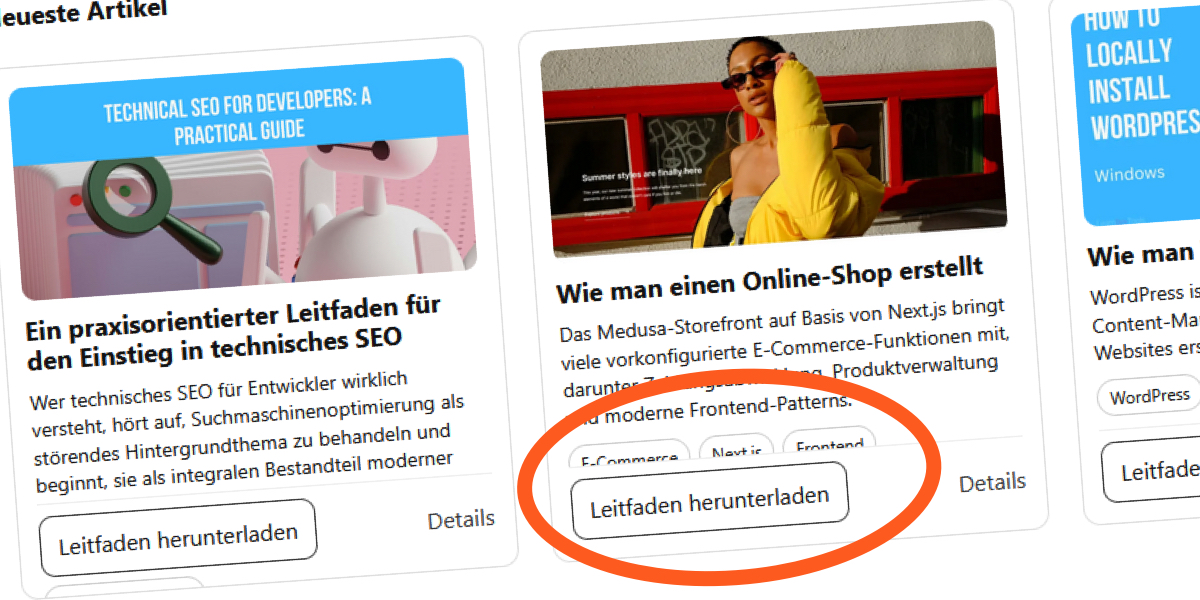
Translating interface text is a common cause of fixed-height failures. For example, an English title like “Recent Articles” becomes “Articles récents” in French—already longer. But German can turn a short phrase into a much longer one, easily exceeding the two-line limit. The original design (see the demo) shows how even a planned-for translation disrupts the layout. Without flexibility, the card’s fixed height traps the text, leading to undesirable clipping or overlap. Multilingual sites require layouts that can adapt to varying word lengths, not rigid containers.
4. User Font Size Adjustments: An Accessibility Crisis
Many users, especially those with low vision or digital eye strain, increase their browser’s default font size. This simple action wreaks havoc on fixed-height cards. The text grows, but the container doesn’t. Suddenly, titles that once fit perfectly now overflow, and excerpts push against each other. This isn’t just a cosmetic issue—it’s an accessibility failure. The WCAG guidelines require that text can be resized up to 200% without loss of content or functionality. Fixed heights violate this principle, making the layout unusable for a significant portion of users.
5. The CSS Line-Clamp Trap
To control text length inside fixed-height cards, developers often use CSS properties like -webkit-line-clamp. This technique limits the number of visible lines and hides the rest with an ellipsis. While it seems like a smart solution, it introduces new fragility. The line-clamp works by setting a fixed height or max-height on the container. When the font size changes or longer text appears, the clamped area can still overflow, but the visible content is cut off abruptly. As demonstrated in the original code, removing overflow: hidden reveals the true mess hidden beneath. Line-clamp is not a substitute for flexible, content-aware design.

6. Overflow: Hidden Masks the Problem
One of the most common fixes for fixed-height issues is to add overflow: hidden to the card container. This CSS property simply cuts off any content that exceeds the boundaries. It prevents the layout from breaking visually, but it also hides the real problem—content has been truncated. Users never see the missing parts, and developers might assume everything works fine. This masking effect creates a false sense of security. In the original article, removing overflow: hidden exposed the broken alignment and overflow that was always there. Don’t rely on hiding issues; address them with flexible heights and proper responsive techniques.
7. Breaking the Natural Content-Container Relationship
Normally, a block-level element expands to fit its content. That’s the natural behavior of the box model. When you impose a fixed height, you break that relationship. The browser doesn’t see it as an error; it simply resolves the conflict by clipping or overflowing the content. This tension between container and content creates unpredictable results across different devices and contexts. The design might work on your screen but fall apart on another. Embracing the natural flow—by using min-height instead of fixed heights—restores harmony and ensures the layout adapts gracefully to its contents.
8. Better Alternatives: Flexible, Responsive Cards
Instead of fixed heights, consider using min-height with padding, or let the card’s height be determined by its content. For grids, you can use CSS Grid or Flexbox with align-items: stretch to keep cards equal height without fixing their interior. If you must limit line counts, use relative units or the clamp() function for font sizes, and combine with line-clamp and overflow: hidden only as a last resort—ensuring that text is never cut off in a damaging way. Test with real content, multiple languages, and at least 200% zoom. A truly resilient card layout respects user needs and content variability.
Fixed-height cards may look appealing in mockups, but they come with hidden risks that can break your design in production. By understanding these eight hazards—from static assumptions to translation pitfalls—you can build layouts that are not only beautiful but also robust and accessible. Always design for change, test with diverse inputs, and choose flexible containers over rigid ones. Your users (and your future self) will thank you.
Related Discussions